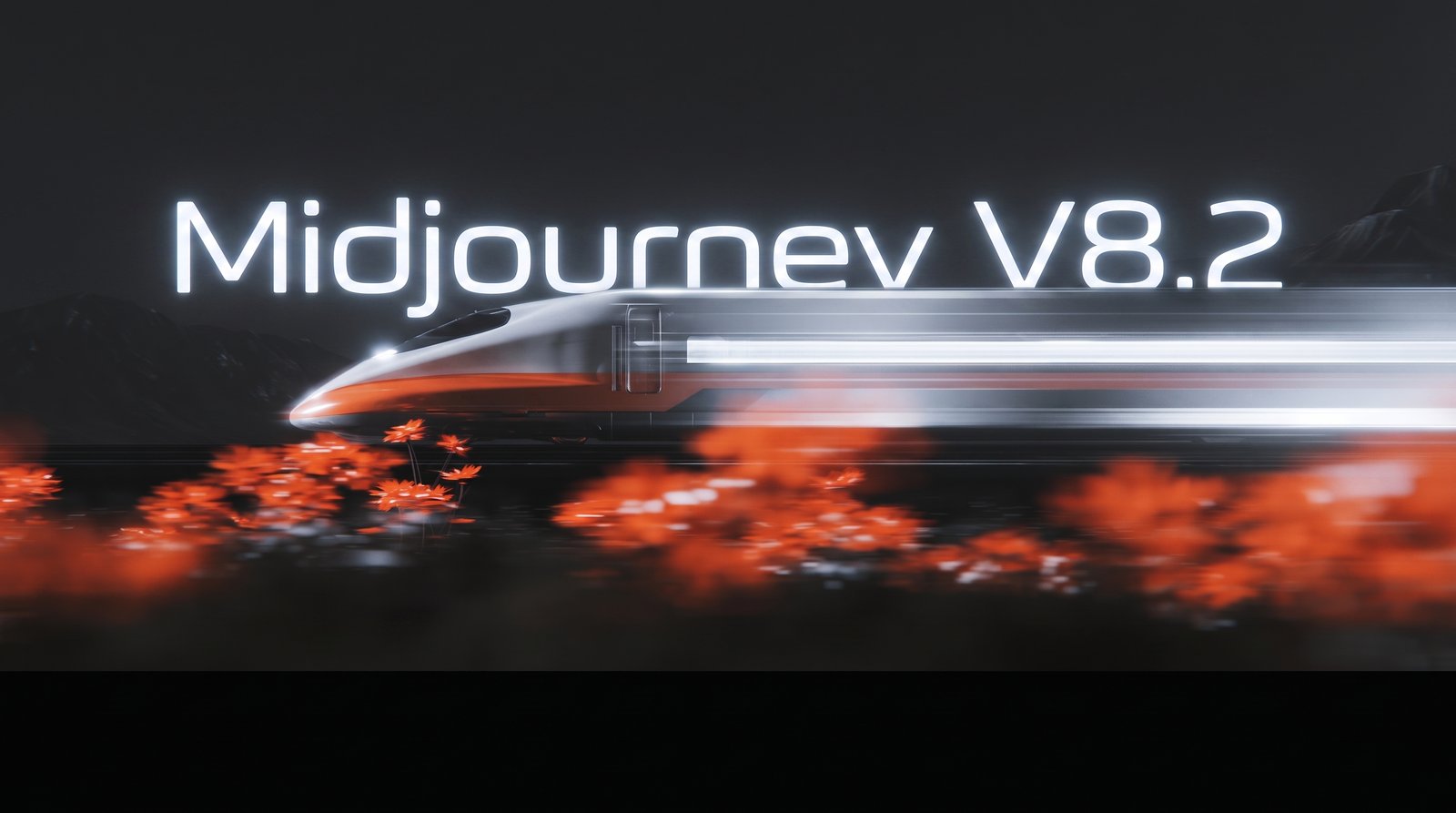
Midjourney opened broader testing of its first V8.2 image edit model on 27 August 2026. Two days later, it issued a further quality update to the model. The release sits on top of V8.2, which became Midjourney's current default image model in July.
The important change for brand and creative teams is not another increment in image quality. Midjourney is moving more of the workflow from one-shot generation into controlled revision: edit an existing image with instructions, use several images as references, change a selected area, expand a canvas and carry existing style systems into the edit process.
That makes the tool more useful for production. It also moves governance deeper into the workflow.
What Midjourney released
Midjourney says the V8.2 edit model supports instruction-based image editing, generation from up to four image references, inpainting, outpainting, personalization, moodboards and style references.
The company describes the release as an early model that it is opening to a larger testing community. Its 29 August update specifically says image quality in the edit model was improved following early feedback. That is useful context for teams evaluating it: this is a live, fast-changing production surface, not a frozen specification.
V8.2 itself remains focused on aesthetics, image quality and personalization. Midjourney says the model should produce more creative and sophisticated images, reduce random low-quality results and better understand users' aesthetic preferences.
Those are vendor claims, not a guarantee that the model will behave consistently on a particular brand system.
Editing changes where quality control happens
In a prompt-only workflow, the common pattern is generate, reject, regenerate. Editing introduces another possibility: keep the useful parts of an image and change only what is wrong.
That sounds incremental, but it changes the economics of creative iteration. A team can preserve composition, character, art direction or product placement while changing a local detail instead of starting from zero. Outpainting can extend an approved image for another format. Multiple references can help anchor the output to an established visual world.
The practical question therefore shifts from "can the model make a good image?" to "can the team revise an image without losing what has already been approved?"
That is a more production-oriented test.
References become part of the source record
The new workflow also increases the importance of what is supplied to the model.
If a user can attach up to four image references and ask Midjourney to generate or edit against them, reference selection becomes part of the creative decision. Teams should know whether those images are owned, licensed, commissioned, internally created or merely found online.
A tool's ability to accept a reference does not establish permission to use it. Nor does a successful generation establish that the resulting asset is clear of third-party rights or suitable for every channel.
For important work, the source record should therefore cover both the final output and the material used to steer it.
What brand teams should test before adopting it
A useful pilot does not need to ask whether V8.2 is "better" in the abstract. Test the jobs that repeatedly create friction in your own workflow.
Can an approved key visual be reformatted without changing the subject? Can product details survive a local edit? Can a campaign character remain recognisable while wardrobe or environment changes? Can the same art direction be extended across landscape, square and vertical formats? Can an unwanted object be removed without introducing another problem elsewhere?
Then test the governance around those actions. Who is allowed to upload reference material? Which assets may contain confidential or pre-launch information? What source records are retained? Which changes require another brand, legal or client approval? How is the final approved version distinguished from intermediate generations?
Those controls are less exciting than the model demo. They determine whether the capability can move beyond individual experimentation.
The larger shift is from generation to revision
Generative image tools first won attention by creating something from nothing. Production teams often need something less theatrical: change this, preserve that, extend this frame, keep the character, use this style system, fix only this area.
Midjourney's V8.2 edit model is another sign that the competitive surface is moving towards controllability and revision rather than generation alone.
For agencies and in-house teams, that may matter more than a marginal jump in aesthetic quality. A model that fits an approval-and-revision workflow can remove more real production effort than one that simply makes a stronger first draft.
What Synthminds is watching
The model is still changing quickly, so the useful evidence will come from repeated production tests rather than launch examples. We are watching how reliably V8.2 preserves approved elements across edits, how reference-heavy workflows behave, and whether the model can reduce regeneration without creating a new layer of review work.
The immediate recommendation is simple: test it as an editing system, not as another image generator.
Sources
- Midjourney, Edit Model for V8, 27 August 2026: https:/
/ updates.midjourney.com/ edit- model- for- v8/ - Midjourney, Edit Image Quality Update, 29 August 2026: https:/
/ updates.midjourney.com/ edit- image- quality- update/ - Midjourney, Version 8.2, 24 July 2026: https:/
/ updates.midjourney.com/ version- 8- 2/ - Midjourney Documentation, Version, accessed 30 August 2026: https:/
/ docs.midjourney.com/ hc/ en- us/ articles/ 32199405667853- Version